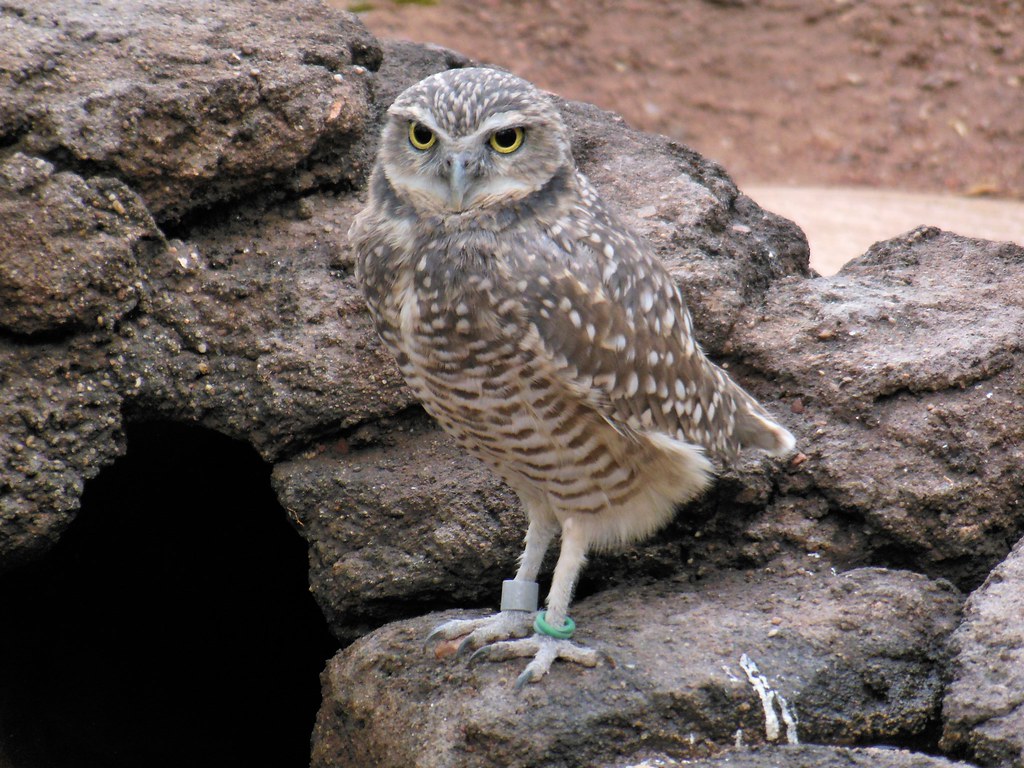
Urban expansion frequently clashes with local wildlife, but a recent conservation effort near Phoenix showcases a successful approach to animal relocation. Nineteen burrowing owls, forced out of their natural habitat by a housing project, were moved 50 miles away to a vast renewable energy site. The outcome of this relocation has surprised and encouraged biologists working on the project.
Relocation to a 10,000-Acre Solar Facility
The displaced birds were transported to a sprawling 10,000-acre solar complex. To help them adapt to their new environment, conservationists placed the owls into 40 specially designed plastic burrows installed across the open terrain. This setup was intended to mimic their natural underground living spaces and provide immediate shelter from predators and harsh weather.
Rapid Nesting and Reproduction
The transition proved remarkably smooth for the relocated population. Within just a single month of their arrival, every single female owl in the group laid eggs. The open ground and abundant space within the solar facility provided an ideal habitat for the birds to establish new territories and begin families.
Successful Fledging Season
The breeding effort yielded strong results during the initial summer season. Biologists documented a total of 29 chicks successfully fledging from the artificial burrows. This high survival rate highlights how industrial spaces, such as large solar installations, can sometimes be managed to support local biodiversity and provide refuge for displaced wildlife populations.
Sources & Further Reading






0 Comments
Join the conversation.