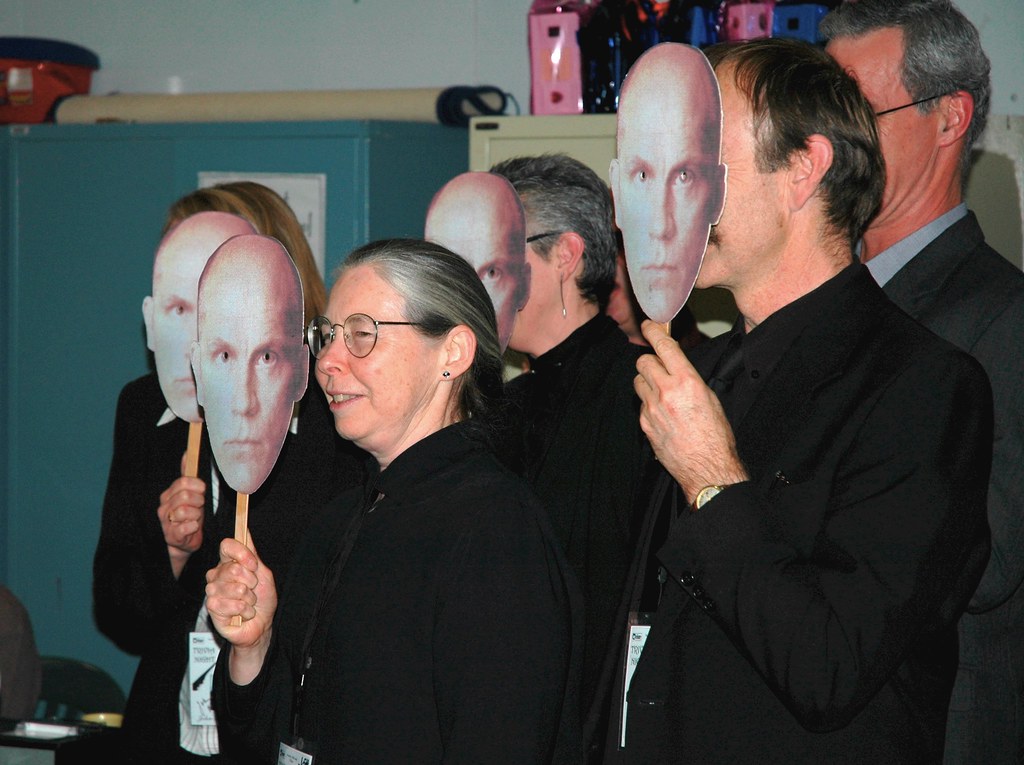
When it comes to the craft of acting, few performers possess the diverse experience and distinct presence of John Malkovich. Over a career spanning decades, he has commanded both the intimacy of the movie screen and the immediate energy of live theatrical stages. In a discussion featured on 60 Minutes, Malkovich offered rare insights into what truly separates these two major mediums.
While audiences often view acting as a singular profession, veterans of the craft know that transitioning from a film set to a Broadway or Westend stage requires an entirely different mindset. Malkovich’s observations shed light on the mechanical, emotional, and psychological shifts actors must navigate.
The Immediate Energy of the Live Stage
Theater is often described as an actor’s medium because once the curtain rises, the performers hold complete control over the narrative arc. There are no second takes, no directors shouting cut, and no editing rooms to fix a faltering emotional beat.
Malkovich highlights the unique relationship that develops between the stage actor and the audience. Every night brings a different crowd, creating a living, breathing dynamic that changes the energy of the performance. An actor must project their voice, sustain their concentration for hours, and carry an entire audience through an emotional journey without the benefit of a close-up camera lens.
The Microscopic Lens of Cinema
In contrast, acting in film and television operates on a much smaller, more concentrated scale. A movie actor does not need to project to the back row of a thousand-seat auditorium. Instead, the camera captures the subtlest twitch of an eye, a micro-expression, or a quiet whisper.
Malkovich points out that film is inherently a director’s and editor’s medium. Performances are captured out of sequence, fragmented across weeks or months, and ultimately pieced together in post-production. An actor might spend the morning crying through a dramatic climax in an empty soundstage and the afternoon filming a casual conversation that occurs earlier in the script’s timeline.
Navigating the Technical Challenges
Switching between these two worlds demands immense versatility. Here is how the technical demands typically break down for seasoned professionals:
- Vocal Projection: Stage actors must train their voices to carry across large spaces naturally, while screen actors rely on boom mics and lavalier microphones.
- Continuity: Film actors must maintain emotional and physical continuity across fragmented shooting schedules.
- Repetition: Theater actors repeat the exact same performance live night after night, whereas film actors perform variations of a scene a dozen times for different camera angles.
The Lasting Impact of Malkovich’s Perspective
John Malkovich remains one of the most distinctive figures in modern entertainment, largely due to his willingness to embrace unconventional roles across both theater and cinema. His reflections remind us that acting is not a one-size-fits-all discipline. Whether commanding a theater or trusting a cinematic lens, the actor’s ultimate goal remains the same: to find a compelling truth within the character.
Sources & Further Reading







0 Comments
Join the conversation.