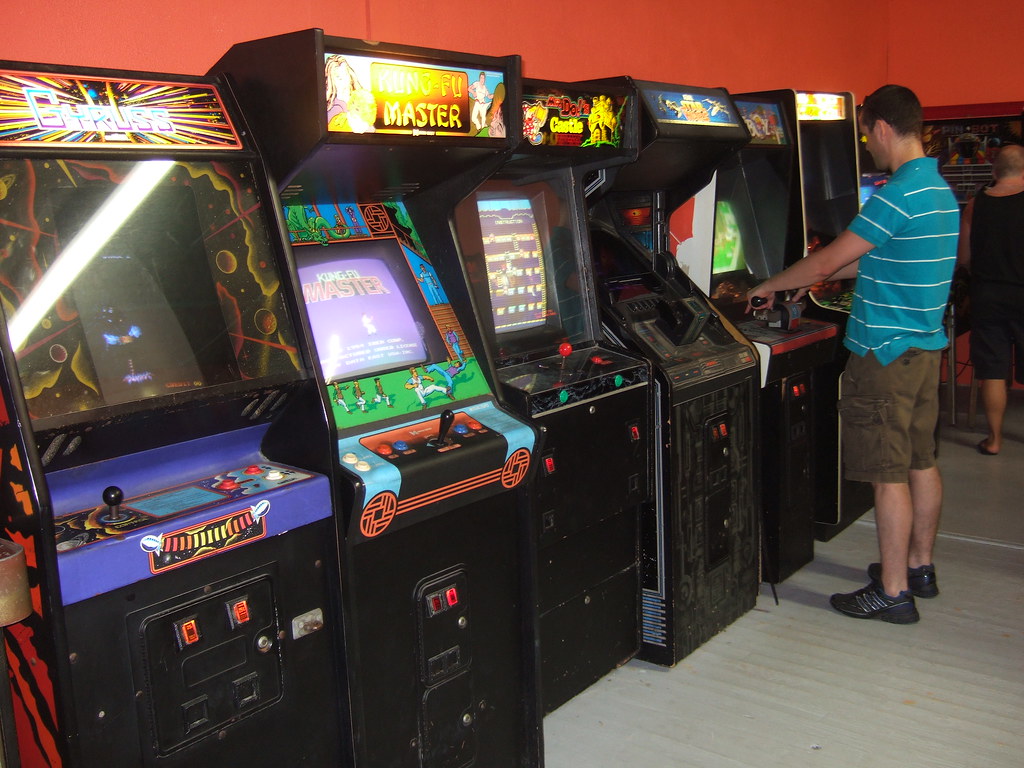
The year 1982 stands as a monumental high point for the arcade industry. Developers were pushing hardware to its absolute limits, inventing brand-new genres, and captivating players with distinctive pixel art and challenging gameplay loops. While technology has advanced lightyears beyond the bulky wooden cabinets of the early eighties, the foundational design of several classic titles remains remarkably engaging. Here are five standout arcade games from 1982 that still hold up brilliantly today.
1. The Timeless Appeal of Golden Age Design
Modern gaming offers sprawling open worlds and hyper-realistic graphics, but there is a distinct purity to the coin-op experiences of 1982. These games were built to test reflexes, reward mastery, and encourage friendly competition through high-score tables. Without complex tutorials or cinematic interruptions, players could drop a quarter in and immediately understand the core objective. That immediacy is a major reason why these vintage releases continue to captivate modern audiences.
2. Five Standout Titles That Defy Aging
While hundreds of cabinets hit arcades in 1982, only a select few achieved legendary status through inventive mechanics and enduring replay value. The following selections showcase the creativity and ingenuity of developers working during an era of rapid technological evolution.
Dig Dug
Namco’s underground excavation adventure remains a masterclass in puzzle-action design. Controlling the hero, players dig tunnels through the earth, inflating underground monsters until they pop or dropping heavy rocks on top of them. The pacing is deliberate and tactical, requiring careful planning to manage multiple enemies simultaneously. The iconic musical theme, which speeds up whenever the remaining monsters chase you, adds an extra layer of tension that still delights players.
Robotron: 2084
Created by Eugene Jarvis and Larry DeMar, this twin-stick shooter is a masterclass in relentless action and high-speed tension. Controlling movement with one stick and firing lasers with the other, players must rescue surviving humans while dodging waves of relentless robotic enemies. The controls feel as responsive and exhilarating today as they did decades ago, demanding fast reflexes and precise spatial awareness.
Zaxxon
Sega introduced a stunning sense of three-dimensional depth to arcade floors with Zaxxon. By utilizing isometric projection, players piloted a fighter spacecraft through hostile enemy fortresses, dogfighting ships and destroying heavy installations while meticulously managing fuel levels. The visual presentation and unique perspective gave players a thrilling sci-fi adventure unlike anything else available at the time.
Pole Position
Namco’s landmark racing title helped popularize the first-person racing genre in arcades. Featuring a qualifying lap followed by a tense Grand Prix race against AI opponents, the game required players to master gear shifting, sharp braking, and tight cornering. Its influence on modern racing games is undeniable, and navigating the track at high speeds remains a thrilling test of skill.
BurgerTime
Data East blended puzzle-solving with frantic platforming in this delightfully quirky arcade favorite. Players guide chef Peter Pepper across multiple levels, walking over giant hamburger ingredients to drop them down onto waiting plates while avoiding eccentric food enemies like Mr. Hot Dog and Mr. Pickle. The clever level layouts and frantic escapes make every successful assembly deeply satisfying.
3. Why These Classics Endure
The secret to the longevity of these 1982 classics lies in their pure focus on mechanics. They do not rely on narrative exposition or cinematic grandeur; instead, they focus entirely on core loops that challenge the player to improve with every attempt. Whether played on original hardware, modern retro collections, or emulation setups, these games prove that great design transcends temporal boundaries.
Conclusion
Revisiting the arcade hits of 1982 offers both a nostalgic journey and a masterclass in game design. These titles continue to prove that engaging mechanics, intuitive controls, and high-stakes challenges never go out of style.
Sources & Further Reading


0 Comments
Join the conversation.