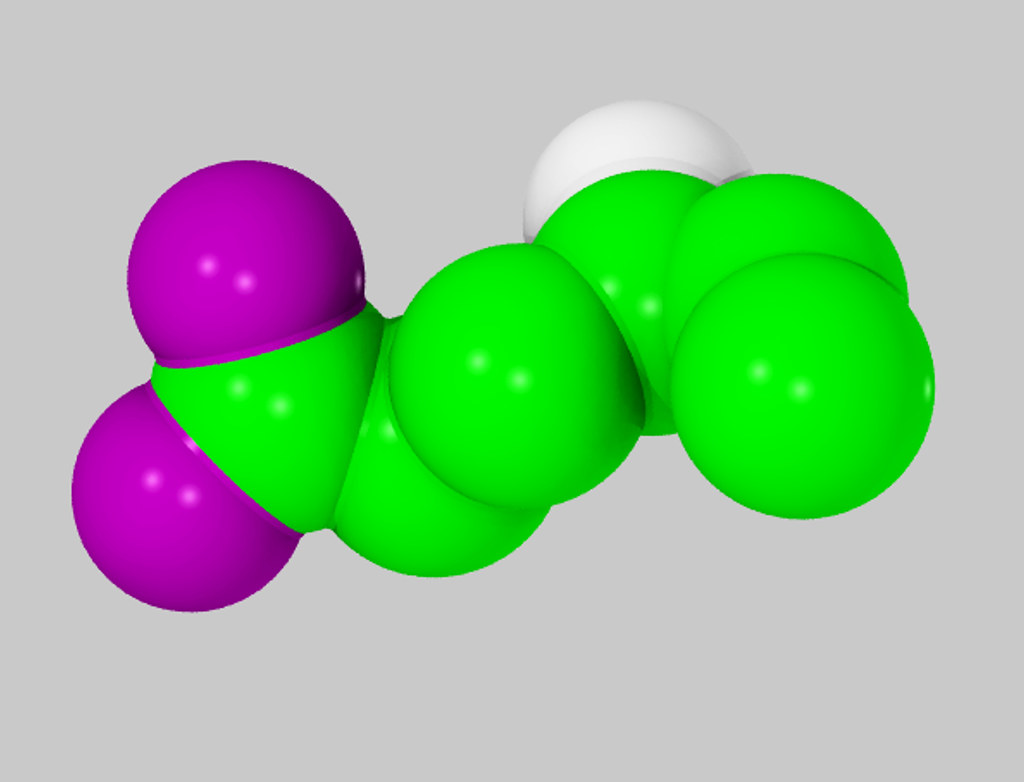
Unlocking the Molecular Secrets of the Brain
How the human brain retains memories, adapts to new experiences, and learns over a lifetime remains one of science‘s most fascinating puzzles. Researchers have long studied the complex network of molecules and proteins that facilitate these cognitive functions. Now, a recent scientific observation has provided a clearer look at how specific proteins operate within brain cells to support memory and learning.
By observing a key protein in action, scientists have documented an unusual physical behavior: the molecules link together to form extended chains. This discovery sheds light on the structural changes that occur inside neurons when memories are encoded and stored.
The Role of Memory Proteins
Proteins serve as the building blocks and functional machinery of biological cells. In the brain, specialized proteins are tasked with maintaining the connections between neurons, known as synapses. These connections are dynamic, constantly strengthening or weakening depending on the experiences an individual encounters.
When learning takes place, synapses undergo structural modifications. Certain proteins must organize themselves precisely to stabilize these changes. The newly observed chain-forming behavior suggests a physical mechanism for how neural pathways maintain their shape over long periods, acting almost like microscopic scaffolding within the brain.
Catching the Process in Action
Observing molecular activity inside living tissue is notoriously difficult due to the microscopic scale and rapid speed of cellular processes. Advanced imaging and biochemical techniques allowed researchers to monitor the protein’s behavior closely. They noted that individual protein units do not simply float independently; under specific conditions, they assemble into polymers or chains.
This polymerization process is believed to trigger downstream signaling events that reinforce synaptic connections. When these chains form correctly, the structural integrity of the memory trace is preserved. Conversely, disruptions in this process could potentially impact cognitive function and memory retention.
Implications for Neuroscience
Understanding the exact physical architecture of memory at the molecular level opens up new avenues for neuroscience research. While the findings are currently foundational, they provide a clearer baseline for how physical structures translate into abstract concepts like thoughts and memories.
Researchers continue to investigate the precise triggers that initiate chain formation and the regulatory mechanisms that control when these chains assemble and disassemble. Future studies aim to explore whether similar structural behaviors occur across different regions of the brain and how these protein chains interact with other cellular components.
Looking Ahead
The observation of protein chains highlights the remarkable complexity of cellular biology underlying human cognition. As scientific tools become more precise, researchers are moving closer to mapping the complete lifecycle of a memory—from the initial spark of an experience to its long-term storage in the neural network.
Sources & Further Reading





0 Comments
Join the conversation.